How to Reduce Acne Redness: A Dermatologist‑Trusted Guide With Proven Results
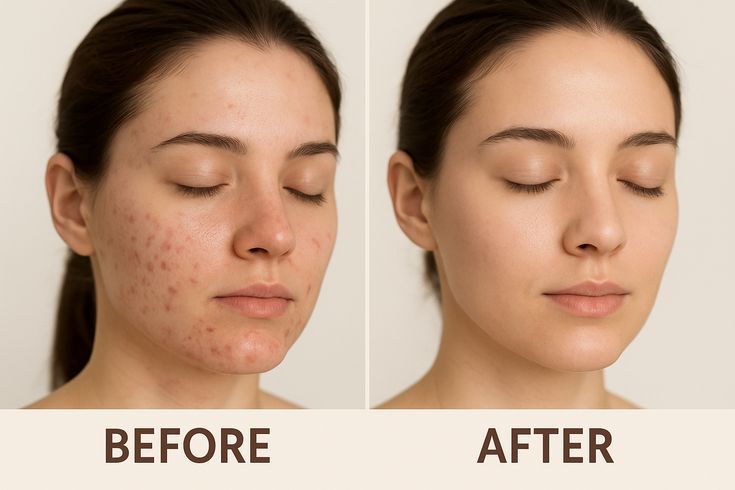
Acne redness is caused by inflammation, clogged pores, and skin barrier stress. To reduce it, focus on calming inflammation, repairing your skin barrier, and using anti‑inflammatory ingredients. Gentle daily care plus products backed by science help restore clearer, calmer skin more effectively than drying or harsh treatments.
If you’re asking how to reduce acne redness, you’re far from alone. Redness can linger long after pimples fade, making skin appear irritated and uneven. To calm and correct this, you need a combination of soothing care, proven anti‑inflammatory actives, and barrier‑supporting products. ROA Skincare’s acne range is formulated to do exactly that: target breakouts, reduce redness, and support long‑term skin health with dermatologist‑trusted science and gentle ingredients.
What Causes Acne Redness and Why Does It Persist
Acne redness doesn’t happen by accident. It’s the visible outcome of biological processes happening inside the skin.
Inflammation From Acne
When a pore becomes clogged with oil and dead skin cells, bacteria multiply inside. Your immune system responds by increasing blood flow to the area, signaling inflammation. The redness you see is this inflammatory response. This is the first biological step you must address to learn how to reduce acne redness.
Skin Barrier Disruption
Many people unintentionally damage their skin barrier while trying to get rid of acne. Over‑washing, scrubbing too hard, or using products with high alcohol content strips natural oils. Without these protective lipids, your skin becomes more reactive, more sensitive, and more likely to show persistent redness.
Post‑Inflammatory Erythema
Once a pimple heals, it can leave a pink or red mark that lingers. This is not active acne; it’s post‑inflammatory erythema. These marks form because the tiny blood vessels near the surface are still dilated. It can take weeks or even months for these marks to fade naturally unless you take focused steps to treat them.
Everyday Triggers That Make Redness Worse
Certain lifestyle and environmental factors can prolong or worsen redness, including heat, friction, sun exposure, spicy foods, inadequate hydration, and fragrances in skincare products. Reducing these triggers is an important part of learning how to reduce acne redness.
How to Reduce Acne Redness Fast
If your skin looks irritated today and you want relief now, here are practical steps that offer fast improvement:
- Gently apply a cold compress to calm swelling and reduce blood vessel dilation in the affected areas.
- Use products with soothing actives like niacinamide, licorice root extract, or green tea extract. These ingredients help counteract inflammation at the molecular level.
- Minimize touching your face; your hands transfer oils, bacteria, and irritants that fuel redness.
- Avoid harsh physical exfoliants or abrasive brushes that can strip the protective barrier.
- Immediately follow with a lightweight, barrier‑friendly moisturizer to reintroduce hydration.
These methods don’t just mask redness; they help calm irritation at the source, which is essential if you want to truly learn how to reduce acne redness.
Key Ingredients That Help Reduce Redness
Understanding the role of ingredients can empower smarter skincare decisions.
- Salicylic Acid gently clears pores and reduces inflammation without over‑stripping the skin.
- Licorice Root Extract calms redness and supports a more even skin tone over time.
- Niacinamide boosts the skin’s ability to repair itself and increases resilience to irritation.
- Hyaluronic Acid draws and holds hydration, essential for reducing sensitivity and itchiness.
- Allantoin promotes cell repair and soothes dry, irritated patches.
When used consistently, these ingredients contribute to healing and calming, an essential aspect of learning how to reduce acne redness holistically.

How to Reduce Acne Redness Overnight
While no skincare routine can erase redness instantly, you can minimize its appearance in the morning:
- Double‑cleanse gently to remove irritation‑causing residues.
- Apply a calming serum or gel rich in hydrating, soothing ingredients before sleep.
- Avoid heavy exfoliants, high concentrations of retinoids, or strong acids at night if your skin is inflamed.
- Use a rich but non‑comedogenic cream to lock in moisture and support nighttime repair.
If you fall into the category of people who experience overnight aggravation of red marks, adjusting your evening routine can make a significant difference in how quickly your redness subsides.
Build a Daily Routine That Prevents Redness
Daily consistency is your strongest ally in learning how to reduce acne redness long‑term. Focus on:
- Cleanse morning and night with a gentle, non‑stripping face cleanser.
- Treat with serums that target breakouts and soothe inflammation.
- Hydrate with humectants like glycerin and hyaluronic acid.
- Protect with broad‑spectrum sunscreen every day to prevent UV‑induced irritation.
Treating your skin well each day helps prevent redness and breakouts before they start.
Why Some Skincare Makes Redness Worse
Many people ask how to reduce acne redness, but unknowingly worsen it. Over‑exfoliating, layering too many active products, skipping hydration, or using alcohol‑based toners can compromise your skin barrier and fuel redness rather than calm it. A balanced routine that prioritizes soothing actives and hydration is far more effective than repeatedly stripping the skin.
Step‑by‑Step Dermatologist‑Approved Routine
Morning
Cleanse with a gentle foaming face wash, a natural face cleanser is often a great choice for sensitive, red skin.
Apply an anti‑inflammatory serum
Use a lightweight moisturizer
Finish with a broad‑spectrum sunscreen
Night
Cleanse with warm water and a mild cleanser
Apply your acne‑calming serum
Follow with a hyaluronic acid serum
Seal with a barrier‑repairing moisturizer
This routine minimizes irritation while supporting healing, a foundation for learning how to reduce acne redness effectively. Depending on your skin's needs, you might choose a cleanser for oily skin or a cleanser for dry skin.
How ROA Skincare Products Help Reduce Acne Redness
ROA Skincare offers focused solutions designed with ingredient science and skin‑friendly formulations, especially for acne redness and inflammation.
Acne Clean 2% Salicylic Acid Serum
A targeted treatment with salicylic acid and licorice root extract to unclog pores, calm inflammation, and visibly reduce redness from active acne. It also includes hyaluronic acid and glycerin for hydration without greasiness.
Acne + PIH Routine (3‑Step)
This complete kit pairs a gentle salicylic cleanser, Acne Clean serum, and barrier‑supportive moisturizer to reduce breakouts, soothe inflammation, and fade post‑acne marks while reinforcing hydration and balance.
Other supportive products in the acne range include the Clear Balance cleanser, Hydrafix moisturizer, and kits curated for daily care. These formulations focus on calming redness, improving barrier health, and controlling sebum without harsh irritants. You can learn more about cleanser uses and what is a facial cleanser to optimize your selection.
Explore the full acne collection at ROA Skincare to find the right products for your skin. Understanding what is cleanser specifically designed for acne-prone skin is the first step toward lasting relief.
When to See a Dermatologist
You should consult a dermatologist if your redness persists despite consistent care, is accompanied by severe pain, or if you suspect rosacea or allergic reactions. Professional guidance can help tailor treatments and rule out underlying conditions.
Final Takeaway
Learning how to reduce acne redness is about calm, consistency, and supporting your skin rather than attacking it. Focus on anti‑inflammatory ingredients, protect your skin barrier, and choose products designed for sensitive, acne‑prone skin like those in ROA Skincare’s acne range. Calm, even‑toned skin is achievable with the right routine and patience.
Frequently Asked Questions
Q1. How soon can I see a reduction in acne redness?
You can see visible calming within a few hours to days with soothing serums and cold compresses, but deeper redness may take weeks to fully fade.
Q2. Can hydration help reduce acne redness?
Yes. Proper hydration supports the skin barrier, reducing sensitivity and promoting calmer, less inflamed skin.
Q3. Is sunscreen important for acne redness?
Absolutely. Daily sunscreen prevents UV‑induced inflammation and helps prevent red post‑acne marks from darkening.
Q4. Will exfoliation help reduce acne redness?
Gentle exfoliation with salicylic acid can help, but too much exfoliation increases irritation and redness.
Q5. What lifestyle factors affect acne redness?
Heat, stress, spicy foods, and sun exposure can all worsen redness and sensitivity.
Q6. Can acne redness go away on its own?
Mild redness often improves over time, but consistent care accelerates healing and prevents recurrence.
Q7. How do I avoid irritation while treating acne redness?
Use fragrance‑free, gentle products, hydrate well, and avoid over‑using strong actives on already irritated skin.
Q8. Should I use prescription treatments for redness?
If redness is severe or accompanied by persistent breakouts, a dermatologist may recommend prescription medication, but gentle OTC care often helps most people.