How to Remove Acne Marks from Face (Dermatologist-Backed Guide for Clear Skin)
Acne marks form due to inflammation, skin trauma, or delayed healing, leaving dark spots, redness, or scars. To remove them effectively, use a combination of gentle cleansing, targeted ingredients such as salicylic acid, niacinamide, and retinoids, hydrate the skin, and protect it from sun exposure. Consistent care over several weeks is essential for noticeable improvement.
If you have struggled with breakouts and are wondering how to remove acne marks from face, you need a routine that tackles both acne and the marks it leaves behind. At ROA Skincare, the focus is on balanced, dermatologist‑inspired formulations designed to treat acne while calming inflammation and fading marks effectively. Using a routine with gentle cleansing, targeted actives, and daily protection can transform your skin over time.
What Are Acne Marks? And Why They Don’t Fade Easily
Acne marks are the residual effects of healed pimples or inflamed skin. They differ from active acne and are often more noticeable because of discoloration or texture changes. Knowing what type of mark you have can guide the right treatment.
Types of Acne Marks
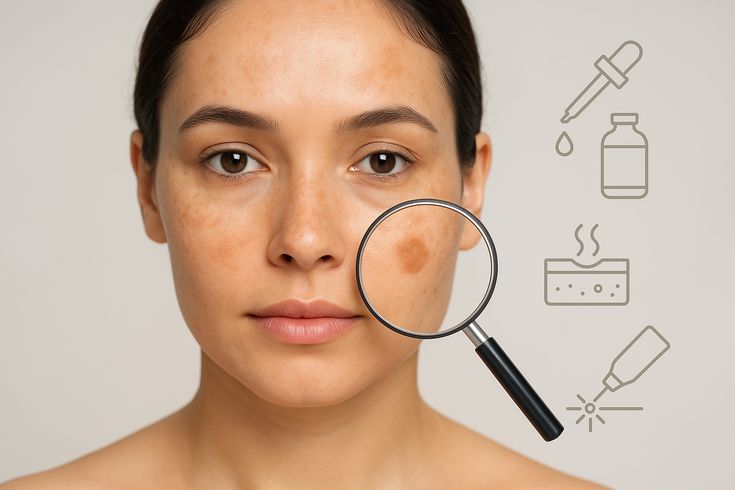
Post-inflammatory hyperpigmentation: These are dark brown or black spots left on the skin after a pimple heals. They are caused by overproduction of melanin during inflammation.
- Post-inflammatory erythema: Red or pink marks that appear after a pimple, especially in sensitive or fair skin. These occur due to broken capillaries and inflammation.
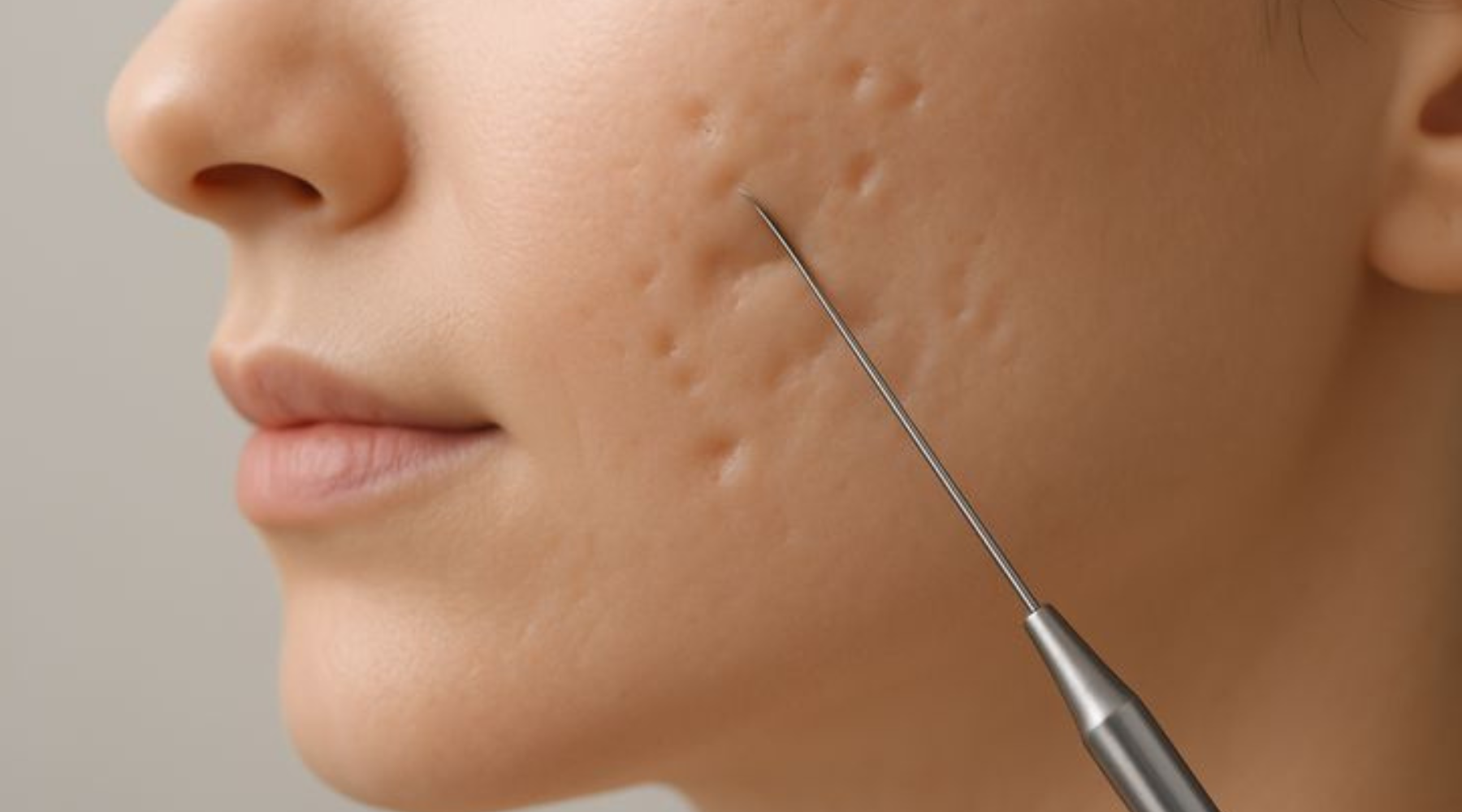
- Acne scars: These are permanent textural changes like pits or raised bumps resulting from deep damage to the skin. They include ice-pick, rolling, and boxcar scars.
Why Acne Leaves Marks
Acne triggers an inflammatory response in the skin, which signals melanin production and can lead to dark spots. Picking or squeezing pimples worsens trauma, slows the healing process, and increases the risk of long-lasting marks. Delayed skin regeneration, sun exposure, and lack of proper care can also prolong the visibility of these marks.
Dermatologists emphasize that with consistent care and the right ingredients, most acne marks can fade over time without aggressive interventions.
What Causes Acne Marks to Get Worse
Common Mistakes
Picking acne manually worsens trauma and prolongs healing. Skipping sunscreen exposes healing skin to UV damage, making marks darker. Using harsh scrubs or cleansers can irritate the skin and slow recovery.
Ingredients That Can Trigger More Damage
Fragrance and alcohol in skincare products can worsen inflammation. Heavy oils or pore-clogging ingredients increase the risk of new breakouts and make existing marks more noticeable. Over-exfoliating or mixing multiple harsh actives can compromise the skin barrier and intensify redness and pigmentation.
Dermatologists advise avoiding these triggers to support the natural fading process of acne marks.

Ingredients That Actually Help Remove Acne Marks
To remove acne marks from face efficiently, you need a combination of exfoliating, repairing, and hydrating ingredients.
Exfoliating Actives
- Salicylic acid: Penetrates pores to unclog them and reduce both acne and dark spots.
- AHAs like glycolic acid: Promote cell turnover and reduce hyperpigmentation by removing dead skin cells.
Skin Repair Ingredients
- Niacinamide: Reduces redness, calms inflammation, and helps fade dark spots.
- Retinoids: Boost skin cell regeneration, smooth texture, and fade marks over time.
- Licorice extract: Brightens skin, reduces pigmentation, and soothes irritation.
Hydration and Barrier Support
- Hyaluronic acid: Hydrates deeply, maintaining skin elasticity and supporting healing.
- Glycerin: Moisturizes without clogging pores, strengthening the skin barrier to prevent irritation.
ROA Skincare formulations, including the Acne Clean serum and Acne + PIH Routine, effectively combine salicylic acid, licorice root extract, hyaluronic acid, and ceramides to treat acne and fade post‑acne marks with balanced hydration and barrier support.

Step-by-Step Routine to Remove Acne Marks from Face
Step 1: Gentle Cleansing
Use a mild, non-stripping face cleanser twice daily. Avoid hot water and abrasive scrubs, which can increase irritation and slow mark fading. Depending on your specific concerns, you may opt for a cleanser for oily skin or a cleanser for dry skin.
Step 2: Targeted Treatment
Apply a salicylic acid face serum to affected areas. This helps unclog pores, reduce acne recurrence, and fade dark spots over time. Consistency is crucial, as daily use over several weeks produces noticeable improvements.
Step 3: Hydration
Moisturize with a hydrating product containing hyaluronic acid or glycerin. Proper hydration supports the skin barrier, preventing irritation and helping marks fade faster.
Step 4: Sunscreen
Apply a broad-spectrum sunscreen daily. UV exposure darkens acne marks, slows healing, and increases pigmentation. Even cloudy days require protection to maintain progress.
Step 5: Weekly Exfoliation
Use a mild chemical exfoliant once or twice a week. AHAs like glycolic acid gently remove dead skin cells, improve texture, and fade pigmentation. Avoid over-exfoliating, which can worsen redness and irritation.
How ROA Skincare Helps Treat Acne Marks Effectively
Science Behind the Routine
The ROA Acne + PIH Routine incorporates:
Clear Balance Cleanser with salicylic acid and niacinamide to deep‑clean pores and calm inflammation
Acne Clean Serum with 2% salicylic acid and 3% licorice root extract to clear acne and reduce marks
Hydrafix Moisturizer with ceramides, niacinamide, and glycerin to strengthen the skin barrier and provide lasting hydration
This combination helps treat acne, unclog pores, soothe irritation, and fade post‑inflammatory hyperpigmentation – addressing multiple factors in a single routine. You can learn more about cleanser uses and what is a facial cleanser to enhance your results.
Why It Works
This three‑step approach is non‑toxic, pH balanced, and designed for acne‑prone and melanin‑rich skin. A natural face cleanser approach ensures ROA formulations avoid harsh additives, minimizing irritation while maximizing results.
Choosing a complete routine rather than a single product simplifies lifestyle adherence and improves long‑term outcomes. Understanding what is cleanser is the fundamental starting point for this success.
How Long Does It Take to Remove Acne Marks
Timeline Expectations
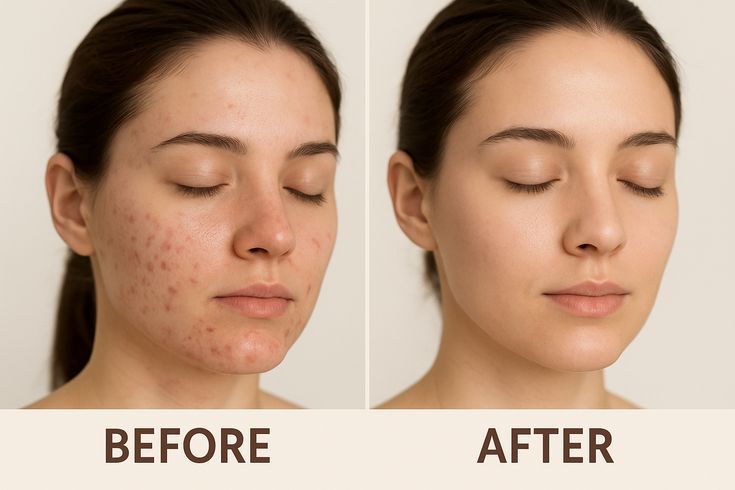
- 2 to 4 weeks: Texture improves, redness begins to fade.
- 6 to 12 weeks: Dark spots and post-inflammatory hyperpigmentation visibly reduce.
Dermatologists emphasize patience because even the most effective treatments require consistent application to see results.
What Not to Do When Treating Acne Marks
Avoid over-exfoliating, mixing multiple harsh actives, skipping moisturizer, or expecting immediate results. These mistakes prolong healing and can worsen marks.
Final Takeaway
Learning how to remove acne marks from face involves understanding the causes, choosing the right active ingredients, and following a consistent, protective routine. Protect your healing skin daily with sunscreen, hydrate effectively, and address both acne and pigmentation at the same time for the best results.
To support your journey, the ROA Skincare Acne + PIH Routine offers a dermatologist‑inspired, three‑step system designed to clear acne, calm inflammation, and fade marks with balanced hydration and barrier support. Whether you choose the Acne Clean Serum alone or the full routine, these products are formulated to help acne‑prone, melanin‑rich skin become clearer and more even over time.
Frequently Asked Questions
Q1. How can I remove acne marks from face faster?
Use consistent skincare with salicylic acid, niacinamide, and gentle AHAs, hydrate daily, and always apply sunscreen. Avoid picking and harsh scrubs.
Q2. Can acne marks go away naturally?
Yes, minor marks may fade on their own over several months. However, active treatment accelerates the process and reduces discoloration more effectively.
Q3. Is it safe to use salicylic acid every day?
Yes, low-concentration serums (2%) are safe for daily use for most skin types. Patch-test sensitive skin first to prevent irritation.
Q4. Will retinoids permanently remove acne scars?
Retinoids improve texture and reduce marks but may not completely eliminate deep scars. Professional treatments may be necessary for severe scarring.
Q5. What is better for fading acne marks – salicylic acid or niacinamide?
Both work differently: salicylic acid unclogs pores and reduces breakouts, while niacinamide targets pigmentation and redness. A combination is most effective.
Q6. Why do some acne marks last longer than others?
Factors include severity of acne, inflammation, sun exposure, skin type, and delayed healing. Proper care and consistent routine shorten recovery time.
Q7. How to reduce acne marks without irritating skin?
Use gentle cleansers, targeted actives like salicylic acid and niacinamide, hydrate consistently, protect with sunscreen, and avoid harsh scrubs or excessive exfoliation.
Q8. Can acne marks return after fading?
Yes, if acne recurs or skin is exposed to sun without protection. Maintaining a consistent routine prevents marks from returning.