What Is Pigmentation on Face? Causes, Types, Treatments, and How to Get Clear, Even Skin
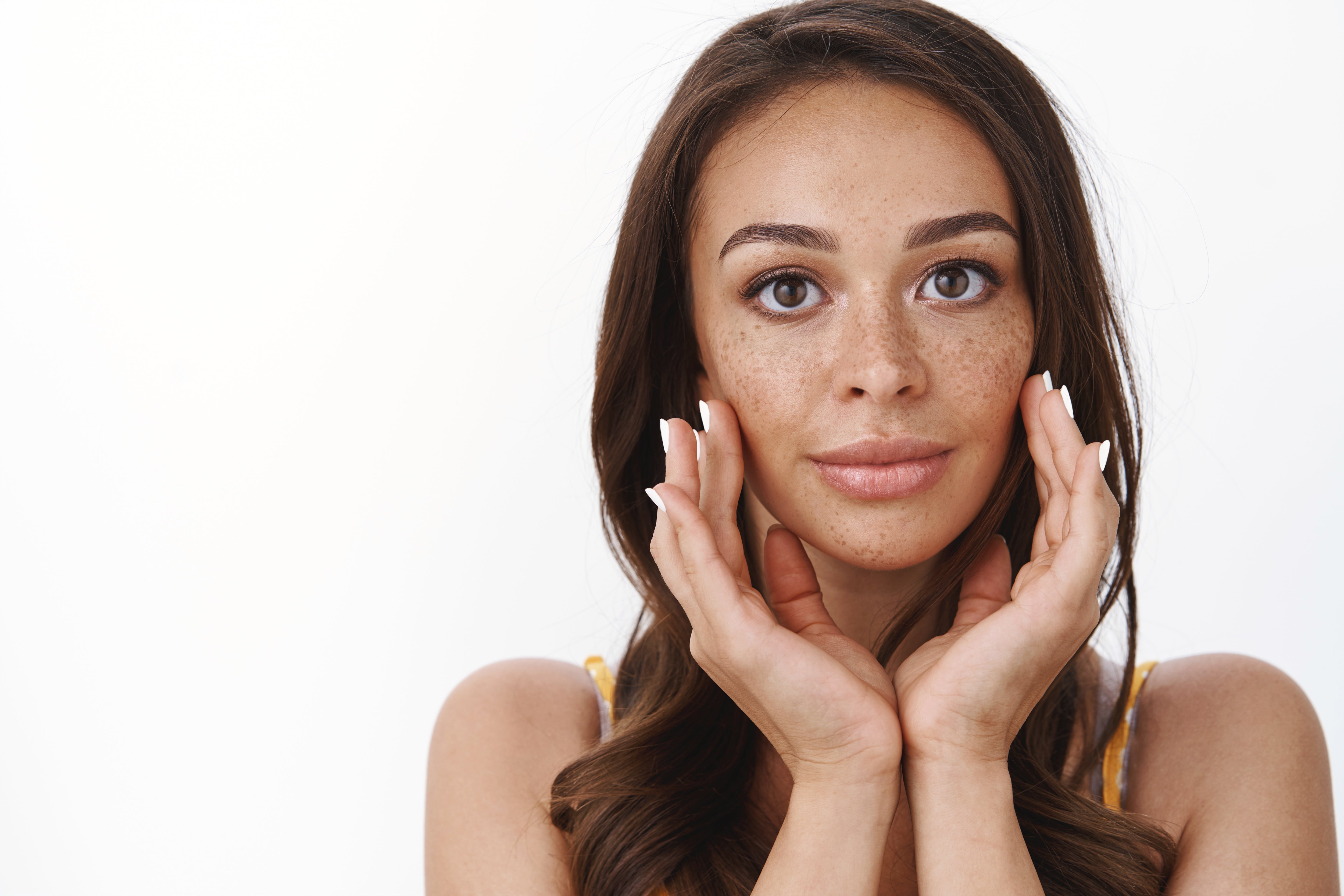
Pigmentation on the face is a common skin condition where certain areas appear darker due to excess melanin production. It can be triggered by sun exposure, acne, hormonal changes, or aging. While it is usually harmless, it can be reduced with consistent skincare, sun protection, and targeted treatments.
If you are dealing with dark spots or uneven skin tone, understanding what is pigmentation on face is the first step toward improving your skin. Pigmentation occurs when melanin is produced unevenly, leading to visible discoloration. Many skincare-focused brands, including ROA Skincare, approach this concern with targeted formulations designed to support clearer, more balanced-looking skin. The good news is that with the right routine and patience, pigmentation can be managed effectively.
What Is Pigmentation on Face?
Pigmentation on the face refers to any form of discoloration where patches of skin become darker than the surrounding area. This happens when melanin, the pigment responsible for skin color, is produced in excess or distributed unevenly.
Melanin is naturally present in everyone’s skin and serves as a protective mechanism against harmful ultraviolet rays. However, when the skin experiences stress such as sun exposure or inflammation, melanin production can become irregular. Instead of spreading evenly, it gathers in certain areas, forming spots or patches.
This condition is often referred to as hyperpigmentation. It can affect people of all skin types, although individuals with higher melanin levels are generally more prone to it.
Types of Pigmentation on Face
Understanding the different types of pigmentation helps in choosing the right treatment approach.
Hyperpigmentation
This is a broad term used for any darkened patches on the skin. It can appear as small spots or larger uneven areas and is usually caused by sun exposure or skin damage.
Melasma
Melasma is often linked to hormonal changes and is commonly seen during pregnancy or due to hormonal medications. It appears as symmetrical patches, usually on the cheeks, forehead, or upper lip.
Post Inflammatory Hyperpigmentation
This type occurs after the skin has healed from inflammation such as acne, cuts, or irritation. The dark spots that remain are a result of excess melanin production during the healing process.
Sunspots or Age Spots
These are caused by prolonged exposure to the sun over time. They are more common as the skin ages and are typically found on areas frequently exposed to sunlight.
Causes of Pigmentation on Face
Pigmentation does not occur without reason. Several internal and external factors can trigger it.
-
Sun exposure is the leading cause. Ultraviolet rays stimulate melanin production, and without protection, this can lead to dark spots over time.
-
Hormonal changes can also play a significant role. Conditions like melasma are directly linked to hormonal fluctuations.
-
Acne and inflammation often leave behind marks once the skin heals. These marks can linger if not treated properly.
-
Genetics can make some individuals more prone to pigmentation than others.
-
Aging contributes to uneven skin tone as the skin’s natural renewal process slows down.
Using harsh skincare products or incorrect treatments can irritate the skin and worsen pigmentation.
How Pigmentation Develops
Pigmentation begins at the cellular level. When the skin is exposed to triggers such as sunlight or inflammation, specialized cells called melanocytes become active. These cells produce melanin as a defense mechanism.
In healthy skin, melanin is distributed evenly. However, when this process is disrupted, melanin accumulates in certain areas, leading to visible discoloration.
People with naturally higher melanin levels tend to experience more noticeable pigmentation because their skin is already producing more pigment. This does not mean it cannot be treated, but it may require more consistency and care.
How to Treat Pigmentation on Face
Treating pigmentation requires a balanced approach that focuses on both correction and prevention.
Key Ingredients That Help
Effective skincare products often include ingredients that target melanin production and improve skin renewal.
-
Vitamin C helps brighten the skin and reduce the appearance of dark spots.
-
Niacinamide works to even out skin tone and strengthen the skin barrier.
-
Alpha arbutin helps control excess melanin production.
-
AHAs and BHAs gently exfoliate the skin and encourage cell turnover, revealing fresher skin underneath.
Daily Skincare Routine for Pigmentation
A consistent routine is essential for visible results.
Morning routine should include:
-
A gentle cleanser to remove impurities
-
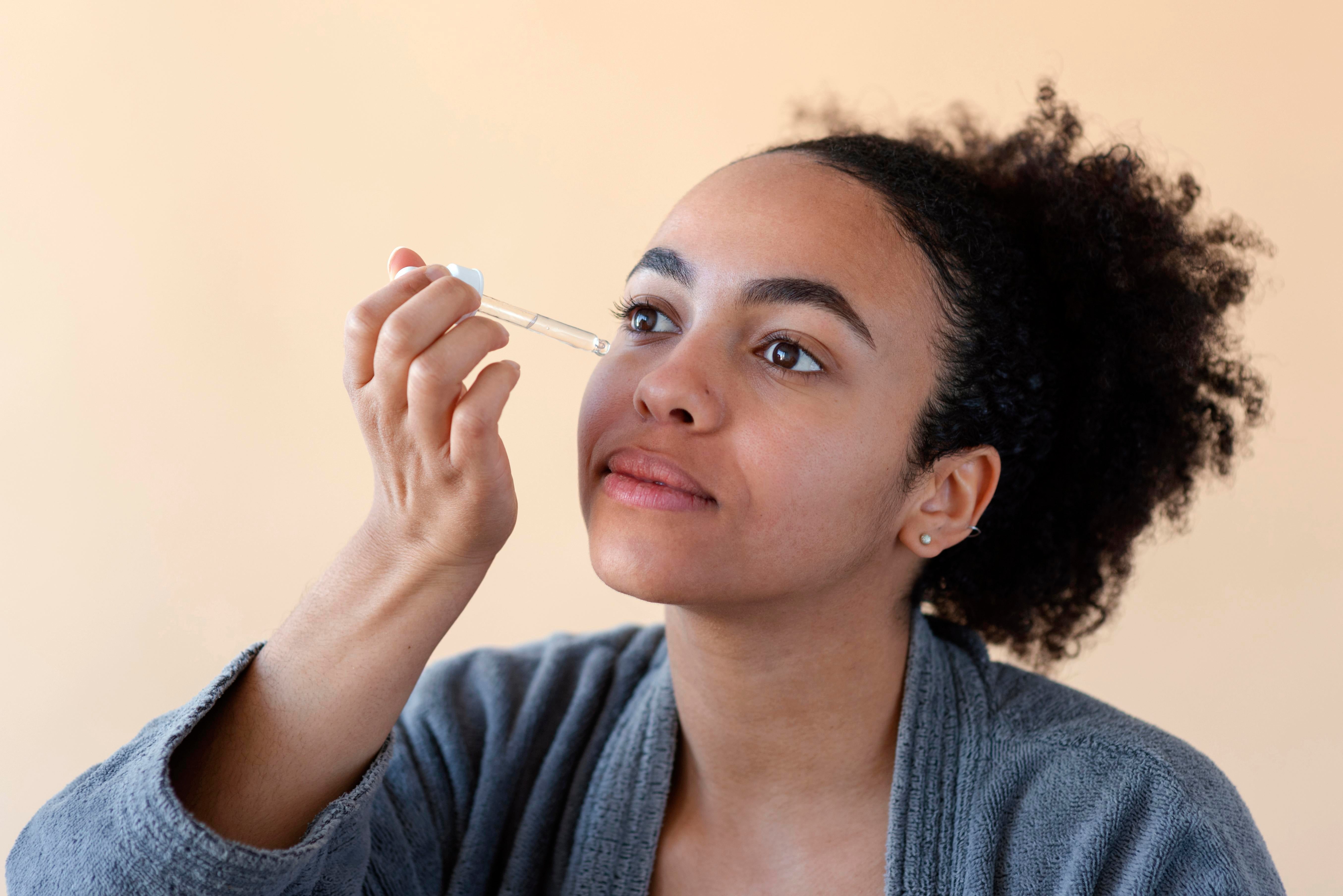
A vitamin C serum to protect and brighten
-
A moisturiser to maintain hydration
-
A broad spectrum sunscreen to prevent further pigmentation
Night routine should include:
-
A cleanser to remove dirt and sunscreen
-
A treatment serum containing active ingredients
-
A nourishing moisturiser to support skin repair
Consistency is more important than using too many products at once.
Professional Treatments
For deeper or stubborn pigmentation, professional treatments can be considered.
-
Chemical peels help remove the top layer of skin and promote regeneration.
-
Laser treatments target pigmentation directly and break down excess melanin.
-
Dermatologist prescribed treatments may include stronger topical solutions tailored to your skin type.
How to Prevent Pigmentation on Face
Preventing pigmentation is just as important as treating it.
-
Daily sunscreen use is essential to protect the skin from UV damage.
-
Avoid picking or touching acne as this can lead to marks.
-
Stick to a gentle and consistent skincare routine to avoid irritation.
-
Limit direct sun exposure, especially during peak hours.
-
Use antioxidant rich products to protect the skin from environmental stress.
Choosing the Right Skincare for Pigmentation
Selecting the right products can make a noticeable difference in how your skin responds.
-
Look for formulations that are designed to target uneven skin tone.
-
Choose products that include clinically supported ingredients.
-
Avoid overly harsh treatments that may irritate the skin.
-
Consistency and patience are key when dealing with pigmentation concerns.
Why Consider ROA Skincare for Pigmentation
When addressing pigmentation, using products designed specifically for this concern can improve results. ROA Skincare focuses on formulations that support skin clarity and even tone.
Their approach typically includes:
-
Brightening ingredients that help reduce the appearance of dark spots
-
Skin balancing components that improve overall texture
-
Formulations designed for gradual and sustainable results
Rather than offering temporary fixes, the focus is on supporting the skin over time.
Explore Targeted Solutions for Pigmentation
Dealing with stubborn dark spots or uneven tone can feel frustrating—but the right products make a difference.
With ROA Skincare, you can:
-
Build a simple, effective routine
-
Target pigmentation at its root
-
Support brighter, clearer-looking skin over time
Start with solutions designed specifically for pigmentation-prone skin and stay consistent.
Conclusion
Understanding what is pigmentation on face allows you to take the right steps toward managing it effectively. While it is a common concern, it is also highly manageable with the right knowledge and routine.
Focusing on sun protection, using targeted ingredients, and maintaining consistency can lead to visible improvements over time. With a thoughtful approach and the right products, achieving clearer and more even-toned skin is entirely possible.
Frequently Asked Questions
Q1. What is pigmentation on face?
Pigmentation on the face is the appearance of dark patches or uneven skin tone caused by excess melanin production in certain areas of the skin.
Q2. Why does pigmentation happen?
Pigmentation occurs due to factors such as sun exposure, hormonal changes, acne, inflammation, aging, and sometimes genetic predisposition.
Q3. How can I reduce pigmentation on my face?
You can reduce pigmentation by using sunscreen daily, applying brightening ingredients like vitamin C, and maintaining a consistent skincare routine.
Q4. Can pigmentation go away on its own?
Mild pigmentation may fade over time, but most types require proper skincare and treatment to see noticeable improvement.
Q5. Is pigmentation permanent?
Pigmentation is not usually permanent, but it can take time to fade depending on its cause and severity.
Q6. Will sunscreen remove pigmentation?
Sunscreen does not remove existing pigmentation, but it prevents it from getting darker and helps treatments work more effectively.
Q7. How long does it take to treat pigmentation?
It can take several weeks to a few months to see visible improvement, depending on the type of pigmentation and consistency of treatment.
Q8. Can skincare products completely remove pigmentation?
Skincare products can significantly reduce pigmentation, but complete removal depends on the depth of the pigmentation and how early it is treated.