How to Use Vitamin E Capsules for Face Pigmentation (Complete Dermatologist-Guided Approach)
Vitamin E capsules can be used for face pigmentation by applying a small amount of the oil directly to affected areas or mixing it with a moisturizer 2 to 3 times per week at night. It helps support skin repair and reduces oxidative damage, but works best when combined with sunscreen and targeted pigmentation treatments.
If you are searching for how to use vitamin E capsules for face pigmentation, it is important to understand both its benefits and its limitations. Vitamin E is widely known for its skin-repairing properties, but pigmentation requires a more thoughtful approach. While many skincare routines today, including those built around targeted solutions like ROA Skincare, focus on correcting pigmentation at its root, vitamin E can still play a supportive role when used correctly and consistently.
What Causes Face Pigmentation and Why Is It Difficult to Treat
Face pigmentation develops when melanin production becomes uneven or excessive in certain areas of the skin. This process is influenced by multiple internal and external triggers, making pigmentation more complex than it appears on the surface.
Common Causes
-
Sun exposure is one of the leading causes, as ultraviolet rays stimulate melanin production
-
Post-acne marks occur when inflammation leaves behind darkened areas after healing
-
Hormonal fluctuations, such as melasma, can trigger stubborn pigmentation patches
-
Environmental stressors, including pollution, weaken the skin barrier and increase discoloration
Why Pigmentation Can Be Persistent
Pigmentation is often difficult to treat because it does not sit only on the outer layer of the skin. In many cases, melanin is produced deeper within the skin, which makes it slower to fade. Individuals with melanin-rich skin tones may also notice that pigmentation appears more intense and lasts longer due to a more active melanin response.
Does Vitamin E Help with Face Pigmentation
Vitamin E is a fat-soluble antioxidant that supports skin health in several ways. It is not a direct depigmenting agent, but it contributes to improving the overall condition of the skin.
Benefits of Vitamin E
-
Protects the skin from oxidative stress caused by environmental damage
-
Helps repair the skin barrier and maintain moisture balance
-
Supports the healing of damaged skin and reduces the appearance of marks
-
Soothes irritation and improves skin texture over time
What Vitamin E Can and Cannot Do
-
It can help reduce the appearance of mild pigmentation and uneven tone
-
It supports skin recovery and enhances overall skin quality
-
It does not remove deep pigmentation or melasma completely
-
It cannot replace clinically proven active ingredients
Vitamin E should therefore be seen as a complementary step rather than a primary treatment.
How to Use Vitamin E Capsules for Face Pigmentation
Understanding how to use vitamin E capsules for face pigmentation correctly can help you avoid common mistakes and improve results.
Direct Application
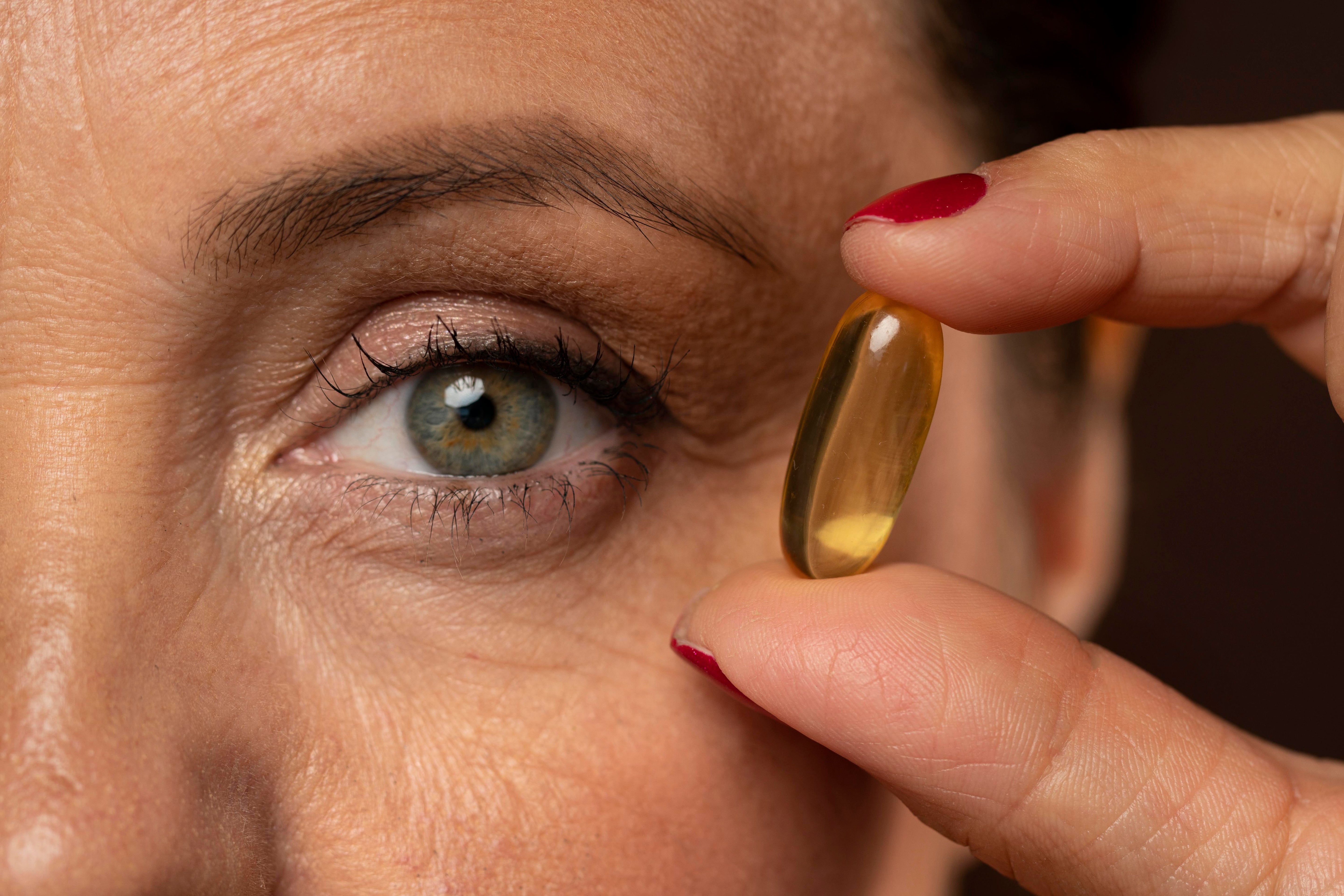
Take a vitamin E capsule and gently puncture it using a clean pin. Apply a small amount of the oil directly to pigmented areas before bedtime. Leave it on overnight and rinse your face with a gentle cleanser in the morning. This method is most suitable for dry or normal skin types.
Mixing with Moisturizer
If you have sensitive or oily skin, mix a few drops of vitamin E oil with your regular night cream. This dilutes the thickness of the oil and makes it easier for your skin to absorb without clogging pores.
Combining with Aloe Vera
Vitamin E can also be mixed with aloe vera gel to create a soothing blend. Apply this mixture as a light mask at night to calm the skin while supporting hydration and repair.
Frequency of Use
Vitamin E should be used 2 to 3 times per week rather than daily. Overuse may lead to congestion, especially for those with acne-prone skin.
Side Effects and Precautions You Should Know
Although vitamin E is generally safe, it is not suitable for everyone in the same way.
Possible Side Effects
-
It may clog pores in individuals with oily or acne-prone skin
-
Overuse can lead to breakouts or small bumps
-
Some people may experience mild irritation or redness
Precautionary Measures
-
Always perform a patch test before applying it to your face
-
Use only a small quantity to avoid heaviness
-
Avoid combining it with multiple strong active ingredients at the same time
Being mindful of these precautions helps prevent unwanted skin reactions.
Why Vitamin E Alone May Not Be Enough for Pigmentation
Pigmentation is a layered skin concern that often requires targeted treatment.
The Underlying Issue
Melanin production occurs beneath the surface of the skin. Addressing pigmentation effectively requires ingredients that can regulate this process at a deeper level.
Ingredients That Provide Better Results
-
Vitamin C helps brighten the skin and reduce dullness
-
Niacinamide improves uneven tone and strengthens the skin barrier
-
Alpha arbutin directly targets melanin production
Vitamin E works best when used alongside these ingredients as part of a well-balanced skincare routine.
The Smarter Skincare Routine for Pigmentation
To see visible improvement, a consistent routine is essential.
Recommended Routine
-
Start with a gentle cleanser that removes impurities without stripping the skin
-
Apply a targeted serum designed to address pigmentation
-
Follow with a moisturizer to maintain hydration
-
Use sunscreen every morning to prevent further darkening
Sunscreen plays a critical role because even the most effective treatments will not work if the skin continues to be exposed to sun damage.
Why Targeted Skincare Works Better Than DIY Remedies
DIY solutions like vitamin E capsules provide basic support, but they do not offer the same level of precision as formulated skincare products.
Professionally developed products are designed to penetrate deeper layers of the skin and deliver consistent results. They focus on regulating melanin production rather than simply improving the surface appearance. This approach leads to gradual but more reliable improvement in skin tone.
Best Products to Use Alongside Vitamin E
To enhance the effectiveness of vitamin E, it should be paired with the right products.
Look for formulations that include
-
Vitamin C for brightness and radiance
-
Niacinamide for tone correction
-
Lightweight textures that suit your skin type
Using the right combination of ingredients ensures a more balanced and effective approach to pigmentation.
When Should You See a Dermatologist
There are situations where professional advice becomes necessary.
-
If pigmentation is persistent and does not improve over time
-
If you are dealing with hormonal pigmentation such as melasma
-
If over-the-counter products fail to show results
A dermatologist can recommend treatments that are tailored to your specific skin condition.
Ready to Treat Pigmentation the Right Way
If you are looking to go beyond temporary solutions and address pigmentation more effectively, choosing the right skincare approach is key. Modern formulations, such as those developed by ROA Skincare, focus on improving skin clarity by targeting the root causes of pigmentation rather than masking it.
Explore solutions designed to support even-toned and healthier-looking skin at
Pigmentation Collection
Building the right routine today can help you achieve clearer and more balanced skin over time.
Frequently Asked Questions
Q1. How can I use vitamin E capsules for face pigmentation safely?
Use a small amount of vitamin E oil at night either directly on the affected areas or mixed with a moisturizer. Limit usage to 2 to 3 times per week and always perform a patch test before full application.
Q2. Can vitamin E completely remove pigmentation?
Vitamin E cannot completely remove deep pigmentation. It helps improve skin health and may reduce mild discoloration, but more targeted treatments are required for long-term results.
Q3. Is vitamin E suitable for oily skin?
Vitamin E is heavy in texture and may not suit oily or acne-prone skin. It is better used in diluted form or avoided if it causes breakouts.
Q4. Will vitamin E lighten dark spots quickly?
Vitamin E works gradually and does not provide instant results. Consistent use over several weeks is required to notice a visible improvement.
Q5. What is the best time to apply vitamin E to the face?
The best time to apply vitamin E is at night, as it allows the skin to repair without exposure to sunlight.
Q6. Why does pigmentation return even after treatment?
Pigmentation can return due to continued sun exposure, hormonal changes, or lack of proper skincare maintenance, such as sunscreen use.
Q7. How long does it take to see results from vitamin E?
Results typically take 4 to 8 weeks, depending on the severity of pigmentation and consistency of use.
Q8. Can vitamin E be combined with other skincare products?
Yes, vitamin E can be combined with moisturizers and soothing ingredients. However, it should not be layered excessively with strong actives to avoid irritation.