Article: How to Remove Dark Pigmentation on Face: A Complete Dermatologist-Backed Guide for Even, Clear Skin
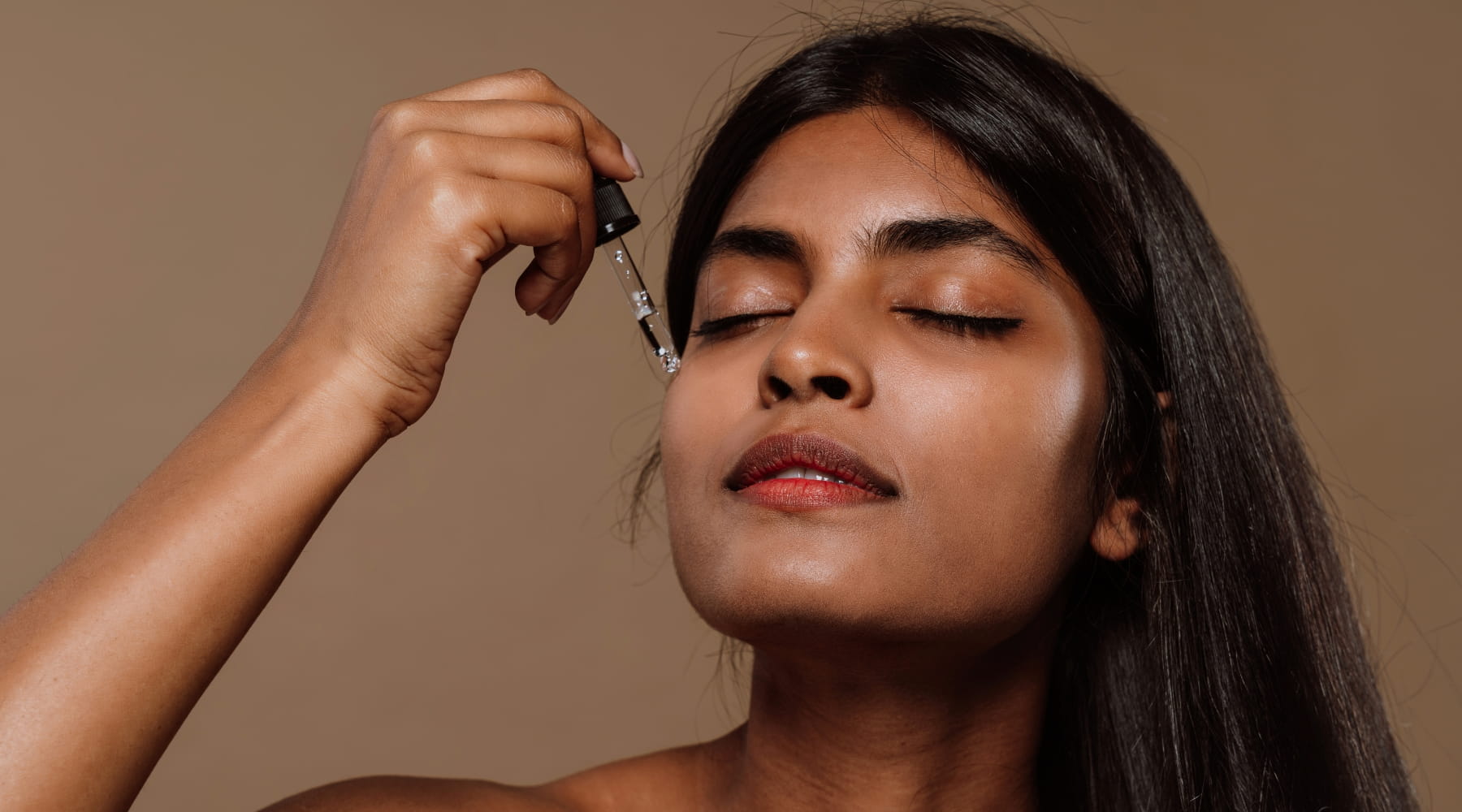
How to Remove Dark Pigmentation on Face: A Complete Dermatologist-Backed Guide for Even, Clear Skin
Dark pigmentation on the face can be reduced by combining daily sun protection, targeted ingredients such as vitamin C, niacinamide, and alpha arbutin, and a consistent skincare routine. Results depend on the depth of pigmentation, but steady care over weeks to months can visibly improve skin tone and clarity.
If you are searching for how to remove dark pigmentation on face, the most effective approach is not a single remedy but a structured routine built around proven skincare ingredients and daily habits. Many people struggle because they rely on random products instead of targeted solutions. Brands like ROA Skincare focus on formulations designed specifically for melanin-rich skin, which plays an important role in treating pigmentation effectively. With the right approach, it is possible to reduce dark spots and achieve a more even complexion over time.
What Is Dark Pigmentation on Face
Dark pigmentation, also known as hyperpigmentation, occurs when certain areas of the skin produce excess melanin. This results in patches or spots that appear darker than the surrounding skin. It is one of the most common skin concerns and can affect people of all ages and skin types.
Types of Pigmentation
Understanding the type of pigmentation helps in choosing the right treatment.
-
Melasma, which appears as symmetrical patches and is often linked to hormonal changes
-
Sunspots, which develop due to prolonged sun exposure
-
Post-inflammatory hyperpigmentation, which occurs after acne, burns, or skin irritation
Why Pigmentation Is More Persistent in Melanin-Rich Skin
People with melanin-rich skin often experience deeper and longer-lasting pigmentation because the skin responds more actively to inflammation and damage. Even minor irritation can trigger excess melanin production, making it essential to use gentle and targeted treatments.
What Causes Dark Pigmentation
Pigmentation is usually the result of multiple factors rather than a single cause.
Internal Causes
-
Hormonal fluctuations, such as pregnancy or hormonal disorders
-
Genetic predisposition, which makes some individuals more prone to pigmentation
External Causes
-
Sun exposure, which is the leading cause of pigmentation
-
Acne and skin inflammation
-
Use of harsh or unsuitable skincare products
Overlooked Causes
-
Excessive exfoliation that weakens the skin barrier
-
Skipping sunscreen even when indoors
-
Using multiple active ingredients without understanding compatibility
Recognizing these triggers is essential because treating pigmentation without addressing the cause often leads to recurrence.
How to Remove Dark Pigmentation on Face
A step-by-step approach delivers better and more sustainable results than quick fixes.
Step 1: Repair the Skin Barrier
Healthy skin heals faster and responds better to treatment. Focus on gentle cleansing and proper hydration. Avoid harsh scrubs and overuse of exfoliating acids.
Step 2: Use Proven Ingredients
Certain ingredients are known for their effectiveness in reducing pigmentation.
-
Vitamin C helps brighten skin and reduce uneven tone
-
Niacinamide calms inflammation and improves skin texture
-
Alpha arbutin targets dark spots directly
-
Glycolic acid promotes cell turnover and removes dull surface layers
Consistency is more important than using too many products at once.
Step 3: Apply Sunscreen Daily
Sun protection is essential in any pigmentation treatment plan.
-
Use SPF 30 or higher every day
-
Reapply if exposed to sunlight for extended periods
-
Protects against worsening of existing pigmentation
Step 4: Focus on Night Repair
During the night, the skin undergoes natural repair. Using treatment serums and moisturizers at this time enhances their effectiveness and supports long-term improvement.
Dermatologist Treatments for Stubborn Pigmentation
When topical care is not sufficient, professional treatments can help accelerate results.
Chemical Peels
These treatments remove the top layer of the skin, allowing new and more even-toned skin to emerge.
Laser Treatments
Laser therapy targets deeper pigmentation and breaks down excess melanin. It should always be performed by experienced professionals.
Prescription Treatments
Dermatologists may recommend stronger formulations such as retinoids or other targeted treatments depending on the severity of pigmentation.
Professional treatments should always be chosen carefully, especially for darker skin tones, to avoid complications.
Do Home Remedies Work for Pigmentation
Home remedies are often popular, but their effectiveness is limited.
What May Help
-
Aloe vera, which has soothing properties
-
Turmeric, which can support mild brightening
What to Avoid
-
Lemon juice, which can irritate the skin and worsen pigmentation
-
Unverified DIY mixtures that lack scientific backing
Home remedies may offer slight improvement but are rarely sufficient for deeper pigmentation concerns.
Daily Skincare Routine for Pigmentation
A consistent routine is essential for visible results.
Morning Routine
-
Cleanse gently to remove impurities
-
Apply a vitamin C serum for brightness
-
Use a moisturizer to maintain hydration
-
Finish with sunscreen to protect the skin
Night Routine
-
Cleanse to remove dirt and product buildup
-
Apply targeted treatment serums
-
Use a nourishing moisturizer to support skin repair
Using targeted serums such as those formulated with niacinamide, alpha arbutin, and botanical extracts can significantly improve results when used consistently
Common Mistakes That Worsen Pigmentation
Many people unknowingly make mistakes that delay progress.
-
Skipping sunscreen, which allows pigmentation to deepen
-
Over-exfoliating, which damages the skin barrier
-
Trying too many products at once
-
Using harsh or unsuitable ingredients
-
Expecting immediate results without consistency
Avoiding these mistakes is just as important as using the right treatments.
How Long Does It Take to See Results
The timeline for improvement varies depending on the severity of pigmentation.
-
Mild pigmentation may improve within 4 to 6 weeks
-
Moderate pigmentation can take 8 to 12 weeks
-
Deep pigmentation may require 3 to 6 months or longer
Consistency, patience, and the right approach determine the outcome.
Why Many Skincare Products Fail
Not all skincare products are designed to treat pigmentation effectively.
-
Some products are not formulated for melanin-rich skin
-
Others contain harsh ingredients that trigger more pigmentation
-
Many lack clinically supported ingredients
ROA Skincare focuses on smart pigment control by helping regulate melanin production instead of blocking it completely, while also strengthening the skin barrier and maintaining balance
Choosing the Right Skincare Approach
A more effective strategy involves selecting products that are designed with pigmentation in mind. Instead of experimenting randomly, focus on formulations that are balanced, gentle, and backed by research. ROA Skincare offers solutions tailored for melanin-rich skin, helping address pigmentation concerns with a more focused and thoughtful approach.
Conclusion
Understanding how to remove dark pigmentation on face requires patience, consistency, and the right combination of skincare practices. By protecting your skin, using proven ingredients, and avoiding common mistakes, you can gradually achieve a clearer and more even complexion. Long term results come from a routine that supports your skin rather than working against it.
Frequently Asked Questions
Q1. How can I remove dark pigmentation on face naturally?
Natural methods such as aloe vera or turmeric may provide mild improvement, but consistent skincare with proven ingredients is more effective for noticeable results.
Q2. Can pigmentation be completely removed?
Pigmentation can fade significantly, but it may return if underlying causes such as sun exposure or hormonal changes are not managed.
Q3. Is vitamin C good for dark pigmentation?
Vitamin C is one of the most effective ingredients for brightening skin and reducing the appearance of dark spots when used consistently.
Q4. Will sunscreen help reduce pigmentation?
Sunscreen does not remove pigmentation, but prevents it from worsening and supports other treatments in working effectively.
Q5. What causes pigmentation to come back?
Pigmentation often returns due to ongoing triggers such as sun exposure, acne, or improper skincare routines.
Q6. Why is my pigmentation not fading?
This may be due to inconsistent routine, incorrect products, or lack of sun protection, all of which can slow down progress.
Q7. How long does it take to remove pigmentation?
Results vary depending on severity, but visible improvement usually takes several weeks to a few months with consistent care.
Q8. Can home remedies replace skincare treatments?
Home remedies may provide minor benefits, but they cannot replace scientifically formulated skincare products for treating deeper pigmentation.