How Long Does It Take for Acne Scars to Fade? (Expert Timeline + Proven Solutions)
Acne scars fade at varying rates depending on type and severity. Post-inflammatory hyperpigmentation may fade in 2 to 12 weeks, mild surface scars take 3 to 6 months, and deep scars such as ice pick or boxcar scars may take 6 months to years. Consistent skincare, sun protection, and active ingredients can accelerate fading.
Acne breakouts are often only half the journey. For many people, the marks left behind can feel just as discouraging. When asking “how long does it take for acne scars to fade”, it’s important to know that timelines vary widely and depend on both your skin biology and the products you use. Effective, dermatologist‑trusted solutions like those from R.O.A Skincare are formulated for melanin‑rich skin and can help accelerate healing while soothing inflammation.
This guide breaks down timelines, why scars form, what speeds healing, and how to build a routine that delivers measurable results.
What Are Acne Scars? (And Why They Take Time to Fade)
Difference Between Acne Marks and Acne Scars
Many people confuse post-acne marks with true scars, but there’s an important distinction.
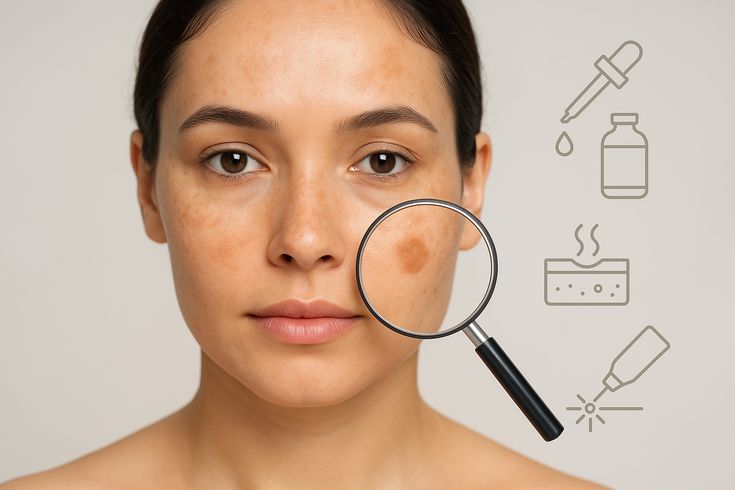
- Post-inflammatory hyperpigmentation (PIH): These are dark spots left on the skin after inflammation. They are superficial and typically fade naturally with time, often within a few weeks to months.
- True acne scars: Structural changes in the skin, such as ice pick, boxcar, or rolling scars, occur when collagen is lost during healing. These scars are permanent without intervention and require more specialized care to improve appearance.
Understanding this distinction is key when assessing how long does it take for acne scars to fade and choosing the right treatments.
How Acne Damages Skin
Acne is not just a cosmetic concern; it can lead to significant skin damage.
- Inflammation from acne causes the breakdown of collagen and elastin, the proteins responsible for skin’s firmness and elasticity.
- Pustules, cysts, and nodules that penetrate deep into the dermis can leave long-lasting scars.
- Even after the acne heals, these structural changes mean the skin takes longer to recover naturally.
The skin turnover cycle, which occurs approximately every 28–40 days, is critical in this healing process. During this cycle, new skin cells replace older damaged cells, gradually improving tone and texture. However, without consistent care, fading may be slower than expected.

How Long Does It Take for Acne Scars to Fade? (Detailed Timeline)
The duration for acne scars to fade varies by type, severity, and your skincare routine:
- Post-inflammatory hyperpigmentation: 2 to 12 weeks. These marks respond well to topical brightening ingredients like niacinamide or licorice root extract.
- Mild surface scars: 3 to 6 months. These shallow scars benefit from gentle exfoliation, moisturization, and protective care to prevent further damage.
- Deep acne scars (ice pick, boxcar, rolling): 6 months to years. Professional treatments like chemical peels, laser therapy, or microneedling may be required for visible improvement.
Dermatologists stress that understanding how long does it take for acne scars to fade can reduce frustration and help set realistic goals for treatment.
5 Factors That Affect How Fast Acne Scars Fade
-
Skin Type and Melanin Levels
- Darker skin tones are more prone to hyperpigmentation. Careful selection of brightening, barrier-friendly products can prevent further darkening.
-
Severity of Acne
- Severe or cystic acne often leaves deeper scars that require more time to heal and may benefit from professional treatments.
-
Sun Exposure
- UV radiation darkens existing scars. Sunscreen is essential for protecting healing skin and accelerating scar fading.
-
Skincare Routine Consistency
- Skipping treatments or not maintaining a proper routine can delay visible improvements.
-
Use of Active Ingredients
- Ingredients like salicylic acid, niacinamide, hyaluronic acid, and licorice root extract significantly speed up healing by targeting both pigmentation and inflammation.

Ingredients That Actually Help Acne Scars Fade Faster
Certain active ingredients are clinically proven to accelerate scar fading:
- Salicylic Acid: Exfoliates, unclogs pores, and reduces inflammation, helping prevent new breakouts and further scarring.
- Niacinamide: Reduces pigmentation, strengthens the skin barrier, and improves overall tone.
- Hyaluronic Acid: Hydrates skin, supporting repair and faster regeneration of damaged cells.
- Licorice Root Extract: Soothes irritation, reduces redness, and brightens post-acne marks.
Incorporating these ingredients into a daily skincare routine ensures both the prevention of new acne and the faster fading of existing scars.
Step-by-Step Routine to Fade Acne Scars
- Cleanse: Remove dirt, oil, and bacteria without stripping the skin. Using a dedicated face cleanser is essential for maintaining clarity.
- Treat: Apply serums with active ingredients targeting both inflammation and pigmentation. A salicylic acid face serum can be particularly effective during this stage.
- Hydrate and Repair: Moisturize to strengthen the skin barrier and prevent irritation.
- Protect: Sunscreen prevents further darkening of scars and helps maintain results.
Following this routine consistently is one of the most reliable ways to fade scars over time.
What Slows Down Acne Scar Healing
- Picking or squeezing acne lesions, which increases inflammation
- Skipping sunscreen, exposing scars to UV darkening
- Using harsh, irritating products that damage the skin barrier
- Over-exfoliation, which can lead to redness, sensitivity, and slower healing
These habits are some of the most common reasons how long does it take for acne scars to fade, which may extend beyond typical timelines.
When to See a Dermatologist
- Scars not fading after 6 to 12 months
- Deep or textured scars that remain visible
- Persistent acne that continues to inflame the skin
Professional evaluation ensures effective treatments like chemical peels, microneedling, or laser therapy, which can significantly reduce scar appearance faster.
Why Skincare Should Match Your Skin Type
Different skin tones and types respond differently to scar treatments. Melanin-rich skin often requires gentle, barrier-friendly products that prevent irritation while targeting pigmentation. Products designed for all skin tones, like our science-backed formulations, provide safe and effective scar management. Choosing a natural face cleanser can often provide the gentle touch needed for sensitive areas.
Ready to Fade Acne Scars Faster? Discover Science-Backed Skincare That Works
If you’re wondering how long does it take for acne scars to fade and want supportive solutions that actually work with your skin’s biology, products from R.O.A Skincare offer a science‑backed, dermatologist‑tested path to clearer skin.
Consider starting with:
- A salicylic‑acid‑based cleanser and concentrated acne serum that unclogs pores and targets both breakouts and PIH. Depending on your needs, you might select a cleanser for oily skin or a cleanser for dry skin.
- A balanced 3‑step acne + PIH routine designed to reduce breakouts, calm inflammation, and brighten marks, helping reduce how long does it take for acne scars to fade when used consistently.
Their formulations are free from harsh chemicals, suitable for melanin‑rich skin, and work with your skin’s natural healing processes for continuous improvement. Understanding what is cleanser and its cleanser uses will help you maximize these results.
Final Thoughts
Learning how long does it take for acne scars to fade gives you clarity and confidence in your care journey. While mild marks may resolve in weeks, deeper textural scars take longer, often requiring patience and consistent care. With highly effective skincare practices and the right products, visible improvement is achievable for all skin types. If you are still unsure what is a facial cleanser or how it fits into your goal, researching the right formulas is the best first step.
Start your journey toward clearer, more even‑toned skin with evidence‑based routines and trusted formulations that support healing from within.
Frequently Asked Questions
Q1. How long does it take for acne scars to fade naturally?
Mild dark spots can fade in 2 to 12 weeks, but deeper scars may require several months to years, depending on severity and skin type.
Q2. Can acne scars disappear completely?
Post-inflammatory hyperpigmentation often disappears completely with consistent care, but deep scars like boxcar or ice pick scars may not fully resolve without professional treatments.
Q3. Is it safe to use acids on scarred skin?
Yes, gentle exfoliating acids like salicylic acid or lactic acid are safe when used correctly, improving cell turnover and reducing discoloration.
Q4. Will sunscreen really help fade scars?
Sunscreen prevents further darkening of scars by protecting against UV rays, which can worsen pigmentation and prolong healing.
Q5. What is the fastest way to fade acne scars?
A consistent routine combining active ingredients, hydration, and sun protection is the fastest way to see visible improvement.
Q6. Why do some scars take years to fade?
Serious structural damage, collagen loss, and slower healing processes can extend the time it takes for scars to fade completely.
Q7. How do melanin-rich skin tones affect scar fading?
Higher melanin levels can darken post-acne marks, so skin-specific, barrier-friendly, and brightening care is essential for faster results.
Q8. Can professional treatments accelerate scar fading?
Yes, professional interventions such as chemical peels, laser therapy, or microneedling can dramatically improve the appearance of deep scars, often faster than home treatments alone.