Treat Dark Spots and Pigmentation: A Complete Guide for Indian Skin
Dark spots and pigmentation are among the most searched skin concerns in India. Terms like how to remove dark spots, pigmentation treatment, dark spots on face, and hyperpigmentation causes reflect just how common this issue is - especially for brown skin exposed daily to sun, pollution, and hormonal fluctuations.
Unlike lighter skin tones, Indian and melanin-rich skin is more prone to post-inflammatory hyperpigmentation (PIH), meaning even a small pimple, insect bite, or rash can leave behind stubborn marks that take weeks or months to fade.
The good news? With the right routine, ingredients, and consistency, dark spots can be visibly reduced and prevented from recurring.
What Causes Dark Spots & Pigmentation?
Pigmentation occurs when excess melanin is produced in certain areas of the skin. Common triggers include:
-
Sun exposure & UV damage
-
Acne marks and scars
-
Hormonal changes (melasma)
-
Skin inflammation or injury
-
Improper skincare or over-exfoliation
-
Pollution and environmental stress
In India’s climate, constant UV exposure combined with sweat and dust makes pigmentation darker and more difficult to fade if not treated correctly.
Types of Pigmentation Common in Indian Skin
-
Post-acne dark spots – brown or purple marks after pimples
-
Melasma – patchy pigmentation often on cheeks and forehead
-
Sun spots – caused by prolonged UV exposure
-
Uneven skin tone – dull, patchy complexion
Each requires a balanced approach rather than harsh whitening solutions.
Best Ways to Treat Dark Spots & Pigmentation
1. Use a Brightening Cleanser
A mild face wash for pigmentation and dark spots helps clear impurities without damaging the skin barrier.
Look for:
-
Niacinamide
-
Vitamin C
-
Gentle exfoliating acids
Avoid harsh soaps or bleaching products that worsen pigmentation over time.
2. Target Pigmentation with a Potent Vitamin C Serum
This is the most important step in any pigmentation routine.
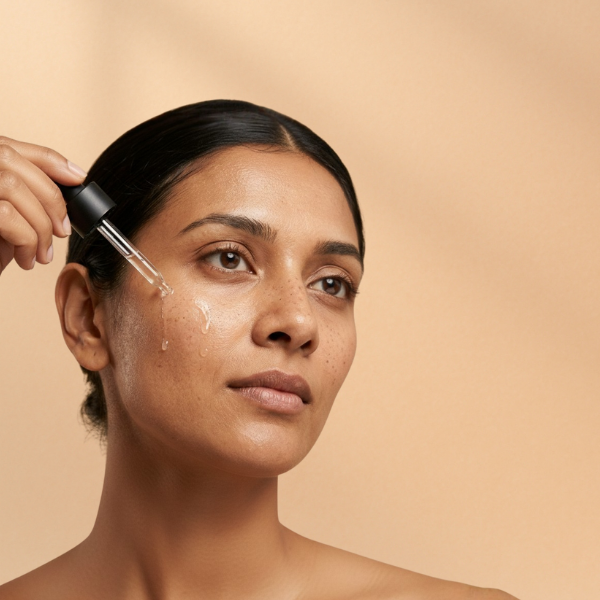
R.O.A 10% Vitamin C Serum Bright is designed specifically for Indian skin struggling with dark spots, dullness, and uneven tone. Its stabilised formula works by:
-
Brightening existing dark spots
-
Reducing pigmentation patches
-
Improving overall skin radiance
-
Fighting oxidative damage from pollution
-
Supporting collagen production for clearer skin texture
Unlike aggressive lightening formulas, it helps fade pigmentation gradually while maintaining skin health - making it ideal for melanin-rich skin prone to rebound pigmentation.
3. Incorporate Supportive Actives
To accelerate results, look for routines that include:
-
Alpha arbutin
-
Azelaic acid
-
Licorice extract
-
Niacinamide
These ingredients help regulate melanin production and even out skin tone over time.
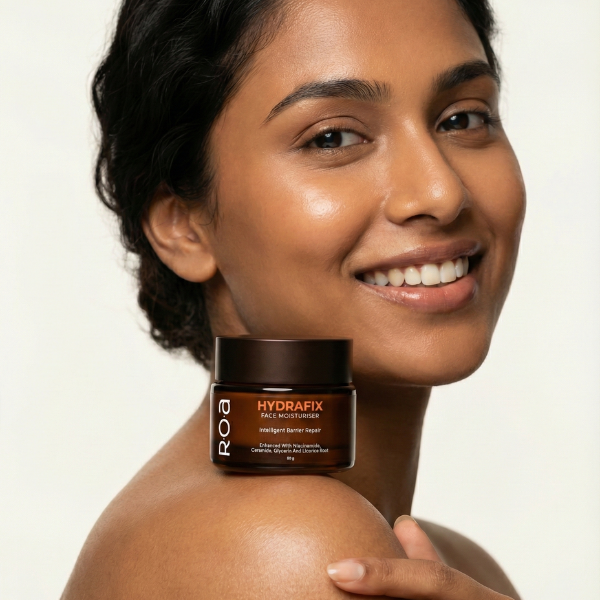
4. Moisturise to Strengthen Skin Barrier
Healthy skin heals pigmentation faster.
Use a:
-
Lightweight moisturiser for pigmented skin
-
Non-comedogenic, barrier-repairing formula
-
Gel or lotion-based hydration for humid climates
A strong barrier prevents new dark spots from forming.
5. Sunscreen is Essential for Pigmentation Control
No pigmentation routine works without sun protection.
Daily use of:
-
Sunscreen for pigmentation & dark spots
-
Broad-spectrum SPF 30 or above
-
Non-greasy, matte finish formula
Prevents dark spots from deepening and stops new ones from forming.
Lifestyle Tips That Help Fade Pigmentation
Avoid Direct Sun Exposure
Wear hats or scarves when outdoors for extended periods.
Don’t Pick Pimples
This increases chances of post-acne marks.
Improve Sleep & Hydration
Skin regenerates while you sleep. Aim for 7–8 hours daily.
Balanced Diet
Include antioxidants, vitamin E, and water-rich foods.
Common Myths About Dark Spots
-
Lemon or toothpaste removes pigmentation
-
Scrubbing fades dark spots faster
-
Fairness creams fix pigmentation
Truth: These often damage the skin and worsen marks.
When to Consult a Dermatologist
If pigmentation is:
-
Deep and persistent
-
Hormonal (melasma)
-
Spreading rapidly
Professional treatments like chemical peels or prescription creams may be required.
The R.O.A Approach to Treating Pigmentation
R.O.A Skincare formulates for Indian skin that faces daily exposure to UV, sweat, and pollution. Our philosophy focuses on:
-
Gradual brightening instead of harsh bleaching
-
Strengthening the skin barrier
-
Long-term tone correction
-
Solutions for melanin-rich skin tones
The 10% Vitamin C Serum Bright fits into this approach by treating pigmentation while supporting skin resilience.
Final Takeaway: How to Treat Dark Spots Effectively
To reduce dark spots and pigmentation:
-
Cleanse gently
-
Use a targeted Vitamin C serum
-
Moisturise consistently
-
Apply sunscreen daily
-
Maintain healthy lifestyle habits
With consistency and the right active ingredients, more even-toned, radiant skin is achievable - especially when your routine is built specifically for Indian skin conditions.