Best Moisturizer for Oily Acne-Prone Skin Recommended by Dermatologists (2026 Guide)
The best moisturizer for oily acne prone skin recommended by dermatologist is a lightweight, non comedogenic formula that hydrates the skin without clogging pores. Ingredients such as niacinamide, ceramides, glycerin, and peptides help control excess oil, support the skin barrier, and reduce acne while maintaining proper hydration levels.
When dealing with acne and excess oil, many people assume that skipping moisturizer will improve their skin. In reality, dermatologists consistently recommend using the best moisturizer for oily acne prone skin recommended by dermatologist to maintain balance and prevent further breakouts. Skincare brands like ROA Skincare focus on formulations that combine hydration with barrier repair, which is essential for acne prone skin. The right moisturizer not only hydrates but also regulates oil production and supports healthier, clearer skin over time.
Why Oily Acne-Prone Skin Still Needs Moisturizer
There is a widespread misconception that oily skin does not require hydration. This belief often leads to worsening skin conditions rather than improvement. Oily skin can still be dehydrated, and when it lacks moisture, the sebaceous glands respond by producing even more oil. This excess oil mixes with dead skin cells and bacteria, increasing the likelihood of clogged pores and acne.
Moisturizers play a crucial role in maintaining the skin’s natural balance. They help reduce water loss from the skin, strengthen the protective barrier, and calm inflammation. Without proper hydration, the skin becomes more reactive, which can trigger breakouts and irritation. Consistently using the best moisturizer for oily acne prone skin recommended by dermatologist ensures that the skin remains hydrated without becoming greasy.
What Dermatologists Look for in a Moisturizer
Dermatologists do not simply recommend any moisturizer. They carefully evaluate formulations to ensure they are suitable for acne prone skin. The focus is on ingredients, texture, and how the product interacts with the skin.
Key characteristics include
- Non-comedogenic formulations that do not clog pores
- Lightweight textures that absorb quickly without leaving residue
- Oil-free or low oil compositions to prevent excess shine
- Barrier-repairing ingredients that strengthen the skin
- Hydrating components that maintain moisture balance
The best moisturizer for oily acne prone skin recommended by dermatologist will always prioritize skin health over heaviness, ensuring hydration without triggering acne.
Essential Ingredients That Make a Difference
Understanding ingredients is essential when selecting the right moisturizer. Dermatologists often recommend formulations that include scientifically backed components.
- Niacinamide is one of the most important ingredients for oily acne prone skin. It helps regulate sebum production, reduce redness, and improve overall skin texture. Regular use can lead to fewer breakouts and a more even complexion.
- Ceramides are naturally occurring lipids that help restore and maintain the skin barrier. When the barrier is compromised, the skin becomes more prone to irritation and acne. Ceramides work to repair this barrier and prevent moisture loss.
- Glycerin is a powerful humectant that draws water into the skin. It provides hydration without adding heaviness, making it ideal for oily skin types.
- Peptides support skin repair and improve resilience. They help the skin recover from acne-related damage and strengthen its structure over time.
These ingredients are commonly found in products considered the best moisturizer for oily acne prone skin recommended by dermatologist, as they address both hydration and acne concerns simultaneously.
Dermatologist-Aligned Moisturizer Option
A well formulated example that aligns with these dermatological recommendations is the ROA Skincare Hydrafix Moisturizer.
This moisturizer is designed to deliver hydration while supporting acne prone skin. It combines niacinamide for oil control, ceramides for barrier repair, and peptides for skin recovery. The inclusion of humectants such as glycerin ensures that the skin remains hydrated without feeling heavy or greasy.
What makes this formulation particularly suitable is its balanced approach. It does not overload the skin with occlusive ingredients, yet it provides enough nourishment to prevent dehydration. This makes it a practical option for individuals looking for the best moisturizer for oily acne prone skin recommended by dermatologist that supports both clarity and health. Prior to moisturizing, applying a salicylic acid face serum can further help clear deep-seated impurities.

How to Choose the Right Moisturizer for Your Skin
Selecting the right moisturizer depends on understanding your skin’s specific needs. Not all oily skin behaves the same way, and acne prone skin often requires a more careful approach.
- For oily acne prone skin, lightweight gel or cream based moisturizers are ideal. These formulations absorb quickly and do not leave a greasy finish.
- For combination skin, a balanced moisturizer that hydrates without overwhelming oily areas is recommended.
- For sensitive acne prone skin, it is important to choose fragrance free and gentle formulations that reduce the risk of irritation.
The best moisturizer for oily acne prone skin recommended by dermatologist will always feel light on the skin while delivering effective hydration.
How to Use Moisturizer Correctly
Even the most effective moisturizer will not deliver results if used incorrectly. Proper application plays a significant role in achieving clear and balanced skin.
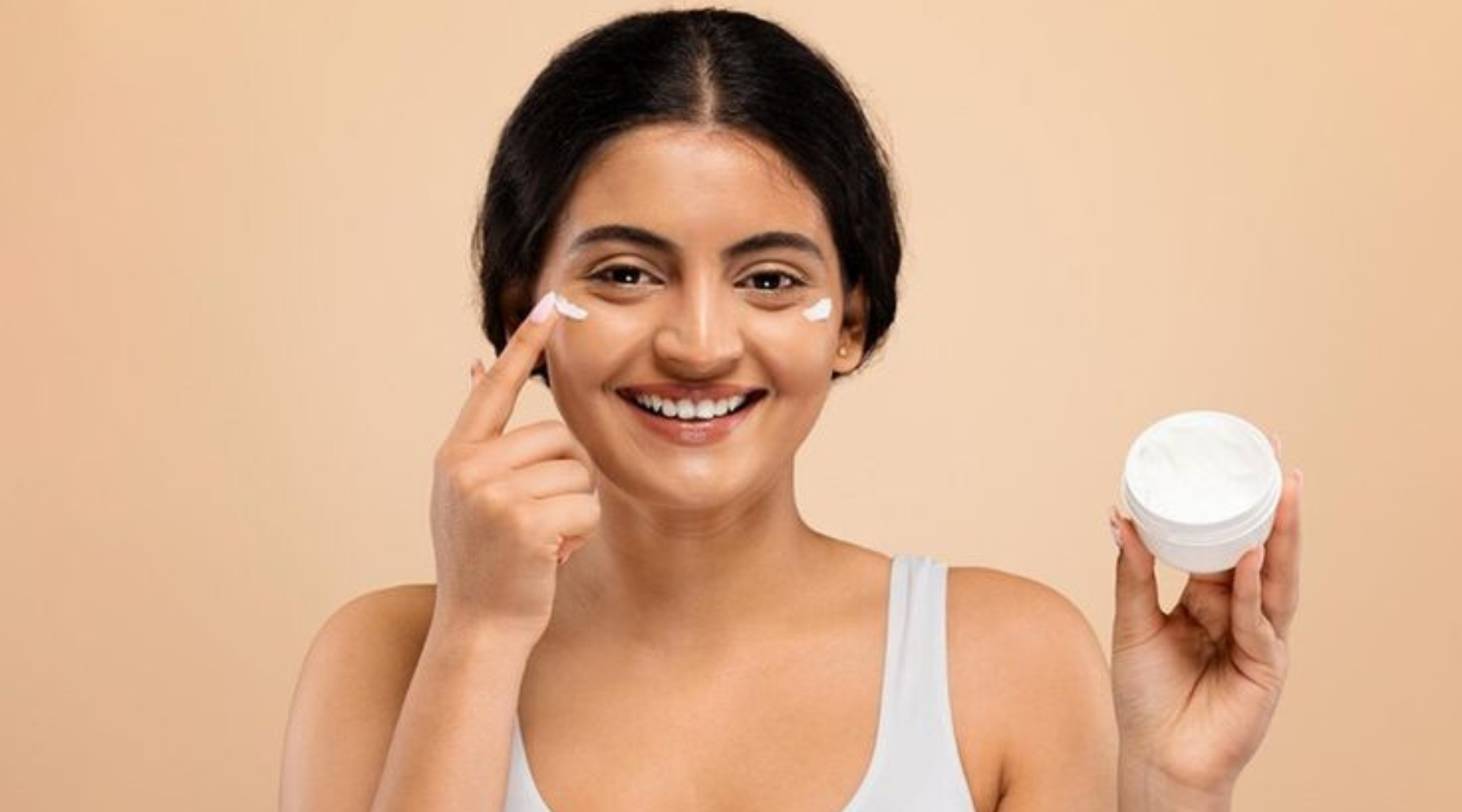
Start by cleansing your face with a gentle face cleanser that does not strip the skin. Depending on your current skin state, you may opt for a cleanser for oily skin or a cleanser for dry skin if you are experiencing seasonal sensitivity. Apply the moisturizer while the skin is still slightly damp, as this helps lock in hydration. Use the product twice daily, once in the morning and once at night. During the day, always follow with sunscreen to protect the skin from environmental damage.
Consistency is key. Using the best moisturizer for oily acne prone skin recommended by dermatologist regularly will lead to noticeable improvements in both hydration and acne control. Understanding cleanser uses and what is a facial cleanser ensures your base is prepped perfectly for treatment.
Common Mistakes That Can Worsen Acne
Many skincare routines fail because of simple but critical mistakes. Avoiding these can significantly improve your results.
- Skipping moisturizer can lead to increased oil production and more breakouts.
- Using heavy creams designed for dry skin can clog pores and worsen acne.
- Over cleansing strips the skin of its natural oils, causing it to produce more sebum. Using a natural face cleanser can help avoid this harsh stripping.
- Using too many active ingredients at once can irritate the skin and damage the barrier.
Understanding these mistakes helps reinforce why choosing the best moisturizer for oily acne prone skin recommended by dermatologist is essential for maintaining healthy skin. Start by learning what is cleanser to ensure you aren't undoing your moisturizer's hard work.
Final Thoughts
Finding the best moisturizer for oily acne prone skin recommended by dermatologist is not about avoiding moisture but about choosing the right formulation. Hydration, when done correctly, supports the skin barrier, reduces excess oil, and helps prevent acne. A well balanced moisturizer can transform your skincare routine and lead to healthier, clearer skin over time.
Discover Smarter Skincare with ROA
If you are ready to improve your skin without compromising on hydration, the ROA Skincare Hydrafix Moisturizer offers a balanced approach designed for modern skincare needs. It supports your skin barrier, controls oil, and helps you achieve a clearer complexion with consistent use.
Frequently Asked Questions
Q1. How do I choose the best moisturizer for oily acne prone skin recommended by dermatologist?
Look for a lightweight, non comedogenic formula with ingredients like niacinamide, ceramides, and glycerin. These help control oil, hydrate the skin, and prevent clogged pores.
Q2. Can a moisturizer reduce acne?
Yes, the right moisturizer can help reduce acne by maintaining hydration and preventing excess oil production, which often leads to breakouts.
Q3. Is it necessary to moisturize oily skin daily?
Yes, moisturizing daily is essential even for oily skin. It helps maintain balance and prevents the skin from producing excess oil.
Q4. Will using a moisturizer make my skin more oily?
No, a properly formulated moisturizer will actually help regulate oil production and reduce greasiness over time.
Q5. What type of moisturizer is best for acne prone skin?
Lightweight gel or water based moisturizers are generally best, as they provide hydration without clogging pores.
Q6. Why does oily skin still get dehydrated?
Oily skin can lack water even if it produces excess oil. Dehydration occurs when the skin barrier is compromised or when harsh products strip moisture.
Q7. How often should I apply moisturizer on acne prone skin?
It is recommended to apply moisturizer twice daily, once in the morning and once at night, for consistent results.
Q8. Can niacinamide help with oily acne prone skin?
Yes, niacinamide helps control sebum production, reduce inflammation, and improve overall skin texture, making it highly effective for acne prone skin.