Best Moisturizer for Acne Prone Skin Dermatologist Recommended (Complete 2026 Guide)
The best moisturizer for acne prone skin dermatologist recommended is one that hydrates without clogging pores while supporting the skin barrier. Look for lightweight, non comedogenic formulas with ingredients like niacinamide, ceramides, and glycerin. These help control oil, calm inflammation, and maintain balanced hydration without worsening breakouts.
Finding the best moisturizer for acne prone skin dermatologist recommended does not have to be overwhelming. With growing awareness around skin barrier health, brands like ROA Skincare are focusing on formulations that hydrate and repair without triggering breakouts. Acne prone skin still needs consistent hydration, but the key lies in choosing the right ingredients and texture. A well-formulated moisturizer can reduce excess oil, strengthen the skin barrier, and support clearer skin over time.
Why Acne Prone Skin Still Needs a Moisturizer
Many people with acne assume that skipping moisturizer will help control oil, but this often leads to the opposite result. When your skin lacks hydration, it compensates by producing more oil, which can clog pores and worsen breakouts.
Hydration plays a crucial role in maintaining skin balance. A healthy skin barrier protects against irritation, pollution, and bacteria. When this barrier is compromised, acne becomes more persistent and difficult to manage.
Dermatologists consistently emphasize that moisturizing is not optional. It is an essential step in any acne care routine because it helps regulate oil production, reduce inflammation, and improve the overall texture of the skin.
What Dermatologists Look for in the Best Moisturizer for Acne Prone Skin
Choosing the right moisturizer involves more than just picking a lightweight product. Dermatologists focus on specific formulation details that directly impact acne-prone skin.
Non-Comedogenic and Oil-Free Formulas
A non-comedogenic moisturizer is designed not to clog pores. This is critical for acne prone skin because blocked pores are one of the primary causes of breakouts.
Barrier Repair Ingredients
Ingredients that strengthen the skin barrier help reduce sensitivity and prevent further irritation. These include
- Ceramides, which restore the skin’s protective layer
- Peptides that support skin healing and resilience
Acne Friendly Active Ingredients
Certain ingredients actively improve acne-prone skin
- Niacinamide helps regulate oil production and reduces redness
- Soothing botanical extracts calm inflammation and irritation
Lightweight Texture
The texture of a moisturizer matters just as much as its ingredients. Lightweight formulas absorb quickly and do not leave a greasy residue, making them ideal for daily use.
Fragrance Free Composition
Fragrance can irritate sensitive or acne-prone skin. Dermatologists often recommend fragrance-free products to minimize the risk of reactions.
Ingredients to Look For in Best Moisturizer for Acne Prone Skin
When selecting a moisturizer, understanding ingredient roles can make a significant difference.
Hydrating ingredients
- Glycerin draws moisture into the skin and keeps it hydrated
- Sodium PCA helps maintain long-lasting hydration without heaviness
Barrier repairing ingredients: Ceramides rebuild and strengthen the skin barrier, preventing moisture loss
Acne calming ingredients: Niacinamide reduces inflammation, controls excess oil, and improves skin texture over time
These ingredients work together to create a balanced environment where the skin can heal and function properly.
Ingredients to Avoid If You Have Acne Prone Skin
Not all moisturizers are suitable for acne prone skin. Some ingredients can worsen breakouts or cause irritation.
- Heavy oils that can clog pores and feel greasy on the skin
- Artificial fragrances that may trigger sensitivity or redness
- Alcohol heavy formulas that dry out the skin and lead to increased oil production
Being mindful of these ingredients helps prevent unnecessary flare-ups and keeps your skincare routine effective.
Types of Moisturizers for Acne Prone Skin
Different skin types require different textures, even within acne-prone categories.
Gel-Based Moisturizers
These are ideal for oily skin because they are lightweight and absorb quickly without leaving residue.
Lotion-Based Moisturizers
These provide balanced hydration and are suitable for combination skin types.
Cream-Based Moisturizers
These are richer and work well for dry acne prone skin that needs deeper hydration and barrier repair.
It is important to recognize that acne prone skin is not always oily. Many individuals experience dryness along with breakouts, making the right texture essential.
Best Moisturizer for Acne Prone Skin: ROA Hydrafix Moisturizer
Among modern formulations designed for acne prone skin, ROA Hydrafix Moisturizer reflects a balanced approach to hydration and barrier repair.
What Makes It Suitable for Acne Prone Skin
- Non-comedogenic formulation that does not clog pores
- Niacinamide to help regulate oil and calm breakouts
- Ceramides that strengthen and repair the skin barrier
- Peptides that support skin recovery and resilience
- Fragrance-free composition suitable for sensitive skin

Key Benefits
- Provides hydration without making the skin feel greasy
- Supports clearer-looking skin over time
- Improves skin texture and smoothness
- Suitable for daily use in both morning and evening routines
Who Should Use It
- Individuals with oily acne-prone skin
- Those with dry yet acne-prone skin
- People with sensitive or easily irritated skin
- Anyone looking for a simple and effective moisturizer
How to Use Moisturizer for Acne Prone Skin
Applying moisturizer correctly enhances its effectiveness. Incorporating a salicylic acid face serum before moisturizing can also help maintain clear pores.
Step-by-Step Routine
- Cleanse your face with a gentle face cleanser
- Apply any treatment or serum if part of your routine
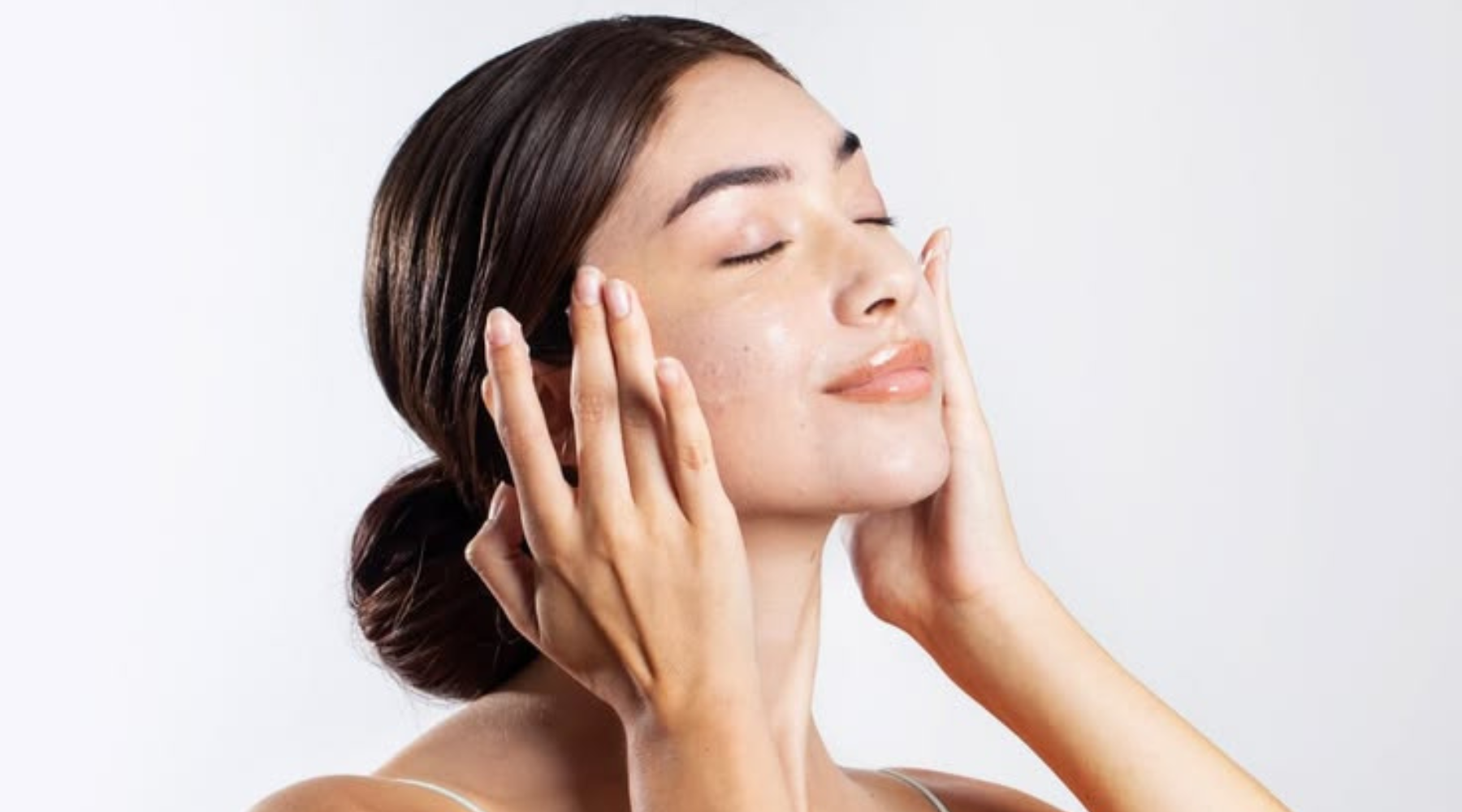
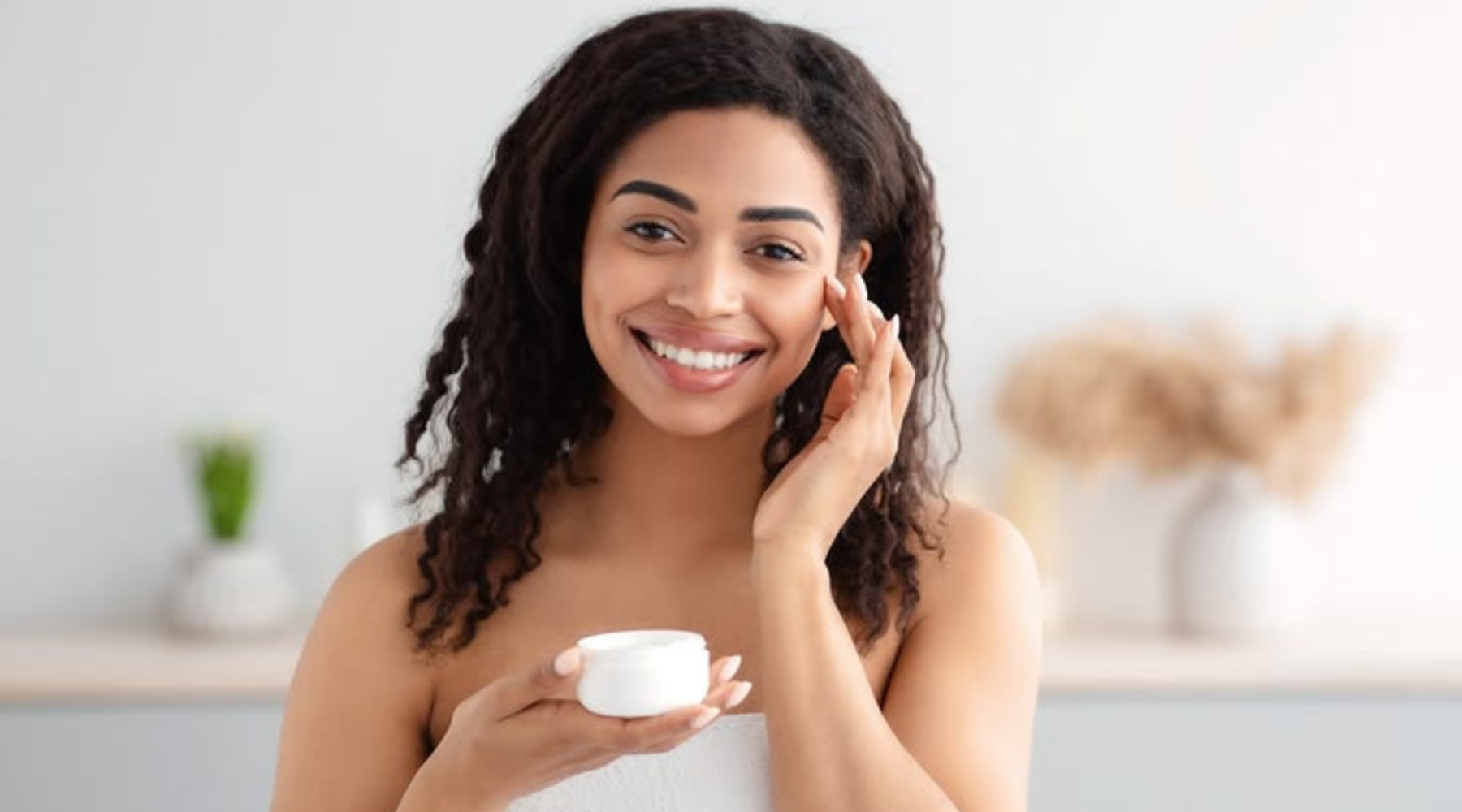
- Apply a small amount of moisturizer evenly across the face. For specific needs, you might use a cleanser for oily skin or a cleanser for dry skin.
- Use sunscreen during the day to protect your skin
Practical Tips
- Apply moisturizer on slightly damp skin to lock in hydration
- Use it consistently twice a day
- Avoid over-applying as this can feel heavy on the skin
Consistency is key when it comes to seeing long term results. Understanding cleanser uses and what is a facial cleanser helps ensure your skin is perfectly prepped.
Common Mistakes That Make Acne Worse
Even with the right products, certain habits can worsen acne.
- Skipping moisturizer due to fear of oiliness
- Using products that are too heavy for your skin type
- Applying too many layers of skincare products
- Not checking ingredient lists before purchasing
Avoiding these mistakes can significantly improve your skin’s response to treatment.
Final Thoughts
The best moisturizer for acne prone skin dermatologist recommended is one that balances hydration with skin barrier support. Instead of focusing solely on oil control, it is important to choose a formula that works with your skin rather than against it.
A thoughtful skincare routine that includes the right moisturizer can lead to healthier, clearer, and more resilient skin over time.
If you are looking to simplify your skincare routine while addressing acne concerns, choosing a well formulated moisturizer can make a meaningful difference. ROA Hydrafix Moisturizer is designed to support hydration and skin barrier health without overwhelming the skin, making it a reliable addition to your daily routine.
Frequently Asked Questions
Q1. How often should I use a moisturizer if I have acne prone skin?
You should use a moisturizer twice daily, once in the morning and once at night. Regular use helps maintain hydration and supports the skin barrier.
Q2. Can a moisturizer make acne worse?
Yes, if it contains pore clogging or irritating ingredients. Choosing a non comedogenic and gentle formula reduces this risk.
Q3. Is it necessary to moisturize oily acne prone skin?
Yes, even oily skin requires hydration. Without it, the skin may produce more oil, leading to increased breakouts.
Q4. Will using a moisturizer help reduce acne?
Moisturizer does not directly treat acne but helps create a balanced environment where the skin can heal more effectively.
Q5. What ingredients are best in a moisturizer for acne prone skin?
Ingredients like niacinamide, ceramides, and glycerin are highly beneficial for controlling oil, repairing the skin barrier, and maintaining hydration.
Q6. Why does my skin feel greasy after applying moisturizer?
This usually happens when the product is too heavy for your skin type. Switching to a lightweight formula can help.
Q7. Can I skip moisturizer if I am using acne treatments?
No, acne treatments can dry out the skin. A moisturizer helps counteract dryness and prevents irritation.
Q8. What type of moisturizer should I choose for acne prone skin?
Choose a lightweight, non comedogenic formula that suits your skin type, whether gel, lotion, or cream based.